
I.
Reflection
State
Recovery & Awareness
Develops
- Presence
- Creativity
- Integration
I. The Method
ARIE, Architecture of Relational Intelligence Ecosystem, is a practical framework for developing Human Intelligence: the mental, emotional, relational, and physical capacities that allow people and organisations to thrive in a rapidly changing world.
The Method works through four disciplines: understanding how we are designed, how we relate, how we develop intelligence, and how we participate in and shape the wider ecosystems we are part of.
Discipline 01
Every decision, relationship, and leadership challenge emerges from an underlying architecture of biology, emotions, nervous-system patterns, and perception. The practice of Architecture helps us understand that system, enabling us to navigate change more effectively, respond rather than react, and align our lives and leadership with how we are naturally designed to function and thrive.
Discipline 02
In a world of increasing complexity, the ability to build strong relationships has become a strategic advantage. Teams, organizations, and communities thrive when people can communicate effectively, navigate differences, and maintain trust during periods of uncertainty and change. Relational Intelligence develops the human capacities required to create connection, collaboration, and resilience under pressure.
Discipline 03
As technology accelerates and complexity increases, the greatest challenge facing leaders is not access to information, it is the ability to use it wisely. Human Intelligence develops our capacity to remain clear, connected, adaptable, and grounded under pressure. It enables us to navigate uncertainty, make better decisions, and respond effectively to the human challenges that technology alone cannot solve.
Discipline 04
Human beings do not develop in isolation. We are shaped by the relational, cultural, organisational, technological, physical, and social ecosystems we participate in, and through our presence, choices, relationships, and leadership, we shape those ecosystems in return. Where Architecture asks what is happening within us, Relational asks how we meet each other, and Intelligence asks how wisely we respond, Ecosystem asks what living system we are part of, and what we are contributing to it.
A principle within Ecosystem
Environment as a teacher
The environments we inhabit shape our physiology, perception, relationships, and decision-making.
At ARIE, the environment is not simply where the work happens. It is part of the methodology.
For thousands of years, human beings adapted to the demands of their surroundings. Different environments cultivated different capacities.
Today, we intentionally design environments that support awareness, connection, resilience, creativity, and leadership.
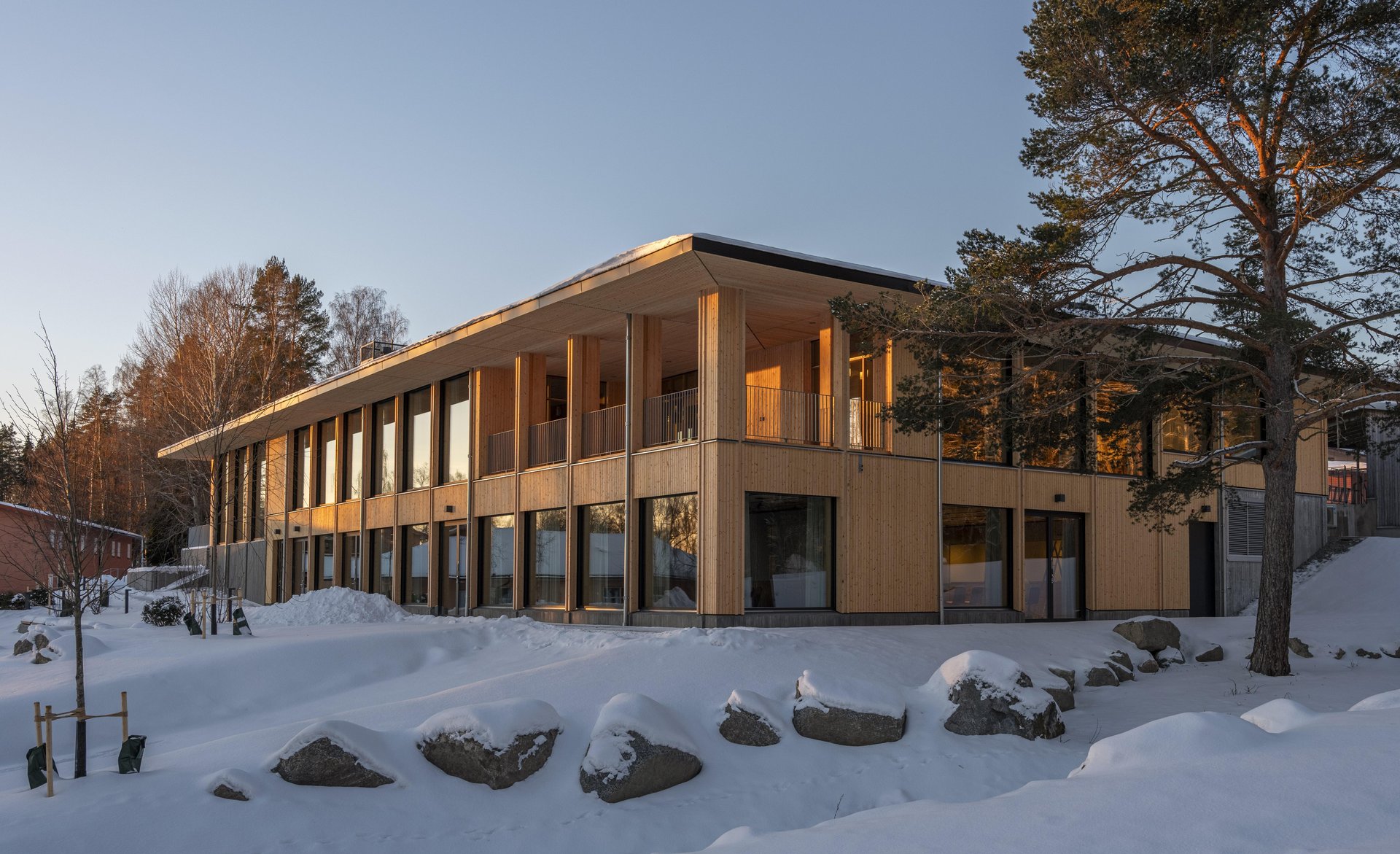
State
Recovery & Awareness
Develops
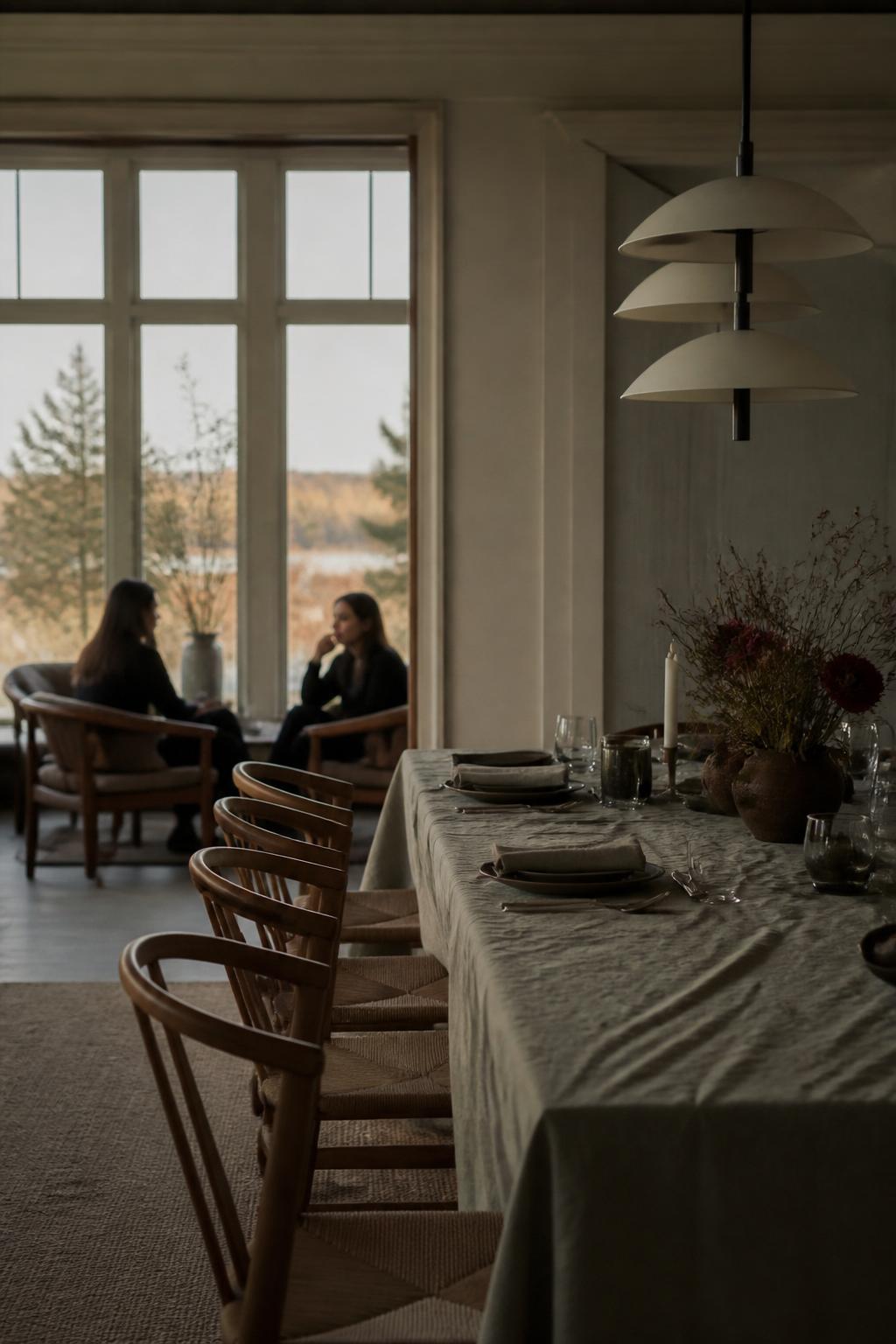
State
Social Engagement
Develops

State
Activation
Develops

State
Focused Attention
Develops
Throughout every ARIE experience, participants move through different environments designed to activate different capacities of Human Intelligence.
The objective is not simply to learn new ideas.
The objective is to experience new ways of thinking, relating, and leading.
The ARIE Method scales from the individual nervous system to the culture of an entire organisation.
See the programs