01
ARIE MEN
Online Immersion, six weeks live
Current cohort: 20 August to 24 September 2026 · fully booked
Next available cohort: 4 February to 11 March 2027
Human intelligence for an AI age
ARIE develops the human capacities beneath the roles we hold, helping us meet ourselves, each other and a changing world with greater awareness, discernment and responsibility.
ARIE Field Guide 2.0
A practical introduction to the ARIE Method, Inner Leadership, and how the work moves from immersion into practice and real life.
CURRENT EXPERIENCES
Online Immersion, six weeks live
Current cohort: 20 August to 24 September 2026 · fully booked
Next available cohort: 4 February to 11 March 2027
Campus Immersion, in person in Sweden
Campus Kämpasten · Sigtuna, Sweden
Module I: 23–24 October 2026
Applications close 12 October
Online Immersion, six weeks live
4 March to 8 April 2027
Interest list open
Campus begins May 2027
Private sessions with Tyler Talib Fisher
In person and online
THE DEVELOPMENTAL ARC
Live weekly immersion, practiced alongside your ordinary life.
In-person modules where the work is met in the body and in the group.
What is learned returns to real situations, relationships, and work.
An ongoing field of community, reflection, and continued development.
WAYS TO PRACTICE
HOW ARIE WORKS
ARIE, Architecture of Relational Intelligence Ecosystem, is a practical framework for developing Human Intelligence, working through four disciplines.
How you are built to function.
How you meet other people.
How you stay clear under pressure.
What your presence creates around you.
WHAT ARIE DEVELOPS
Mental
Orienting, recognising patterns, creating meaning, and organising experience into useful understanding.
Emotional
Using emotion as intelligent awareness rather than being unconsciously driven by it.
Relational
Building trust, staying in contact across difference, co-regulating, and navigating relationship consciously.
Physical
Recognising the physiological and nervous-system states that shape perception, behaviour, and response.
The founder
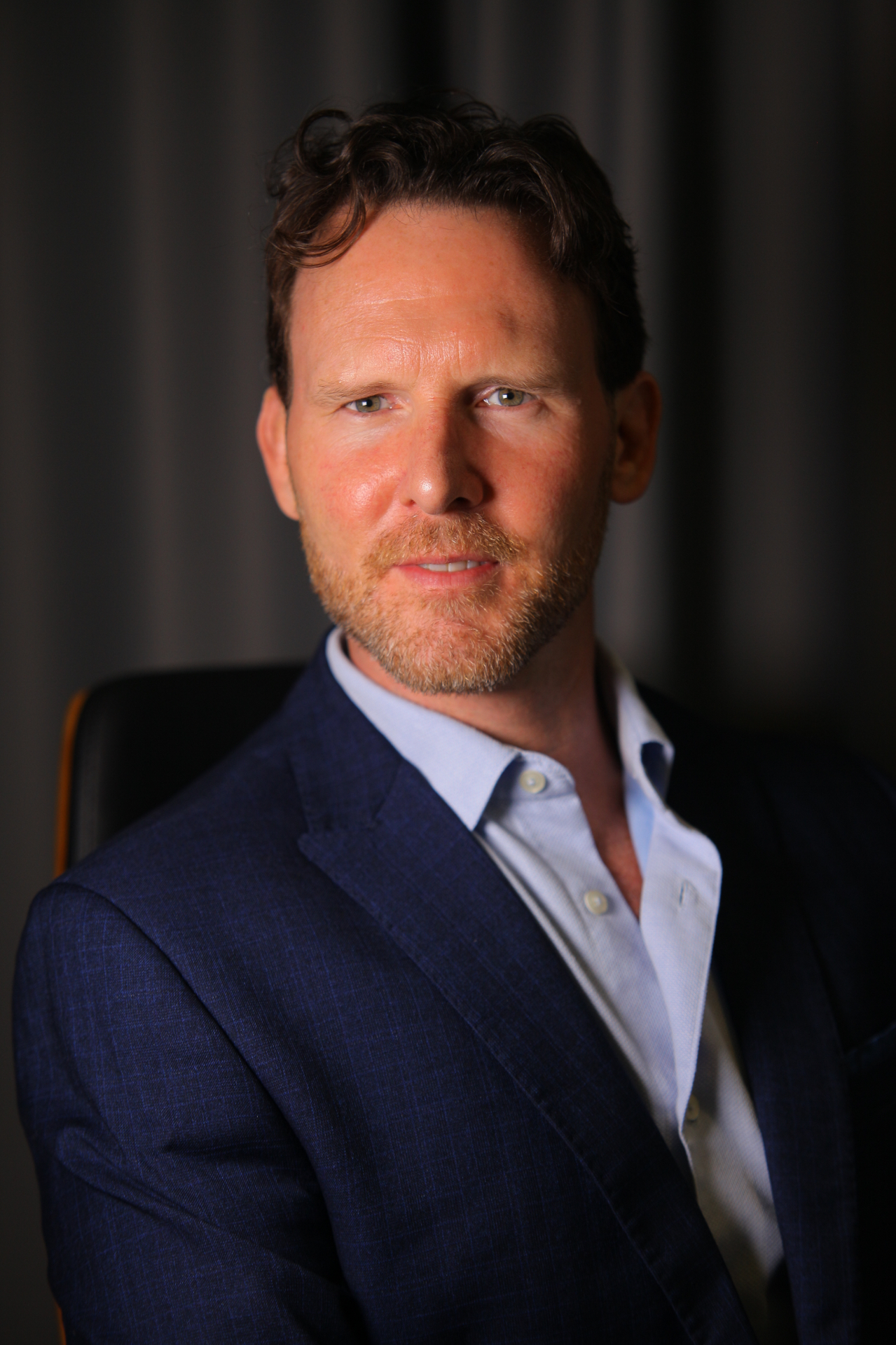
Tyler Talib Fisher
Founder, ARIE Method
For more than twenty-five years, Tyler Talib Fisher has worked at the intersection of leadership, psychology, nervous-system science, and human development. His work explores a simple question:
What allows people to remain human in moments of pressure, complexity, and change?
The ARIE Method emerged from that inquiry, integrating mental, emotional, relational, and physical intelligence into a practical framework for leadership, connection, and human flourishing.
Participant voices
Talib’s work has taken me somewhere I didn’t expect: not toward solutions, but toward opening new doors into my inner life. He’s shown me how nervous system, emotion, and relationship are connected and how real leadership starts with being present and authentic with yourself before you lead others. The work has changed how I show up, as a leader, but above all as a person. It hasn’t always been comfortable. But it has been real, and transformative in a way I don’t think I could have found anywhere else.
Talib has been an essential support for me in my personal and professional development. He has the ability to analytically sort out and clarify challenging situations and at the same time emotionally creates a safe space where also the most vulnerable parts can surface and grow.
Talib is a poet-warrior of life and all its realms…he creates deep felt spaces where one can become the best version of self with real mastery and embodied wisdom. See it for yourself. Just go. Totally recommend any of his works.
BEGIN
Architecture of Relational Intelligence Ecosystem